
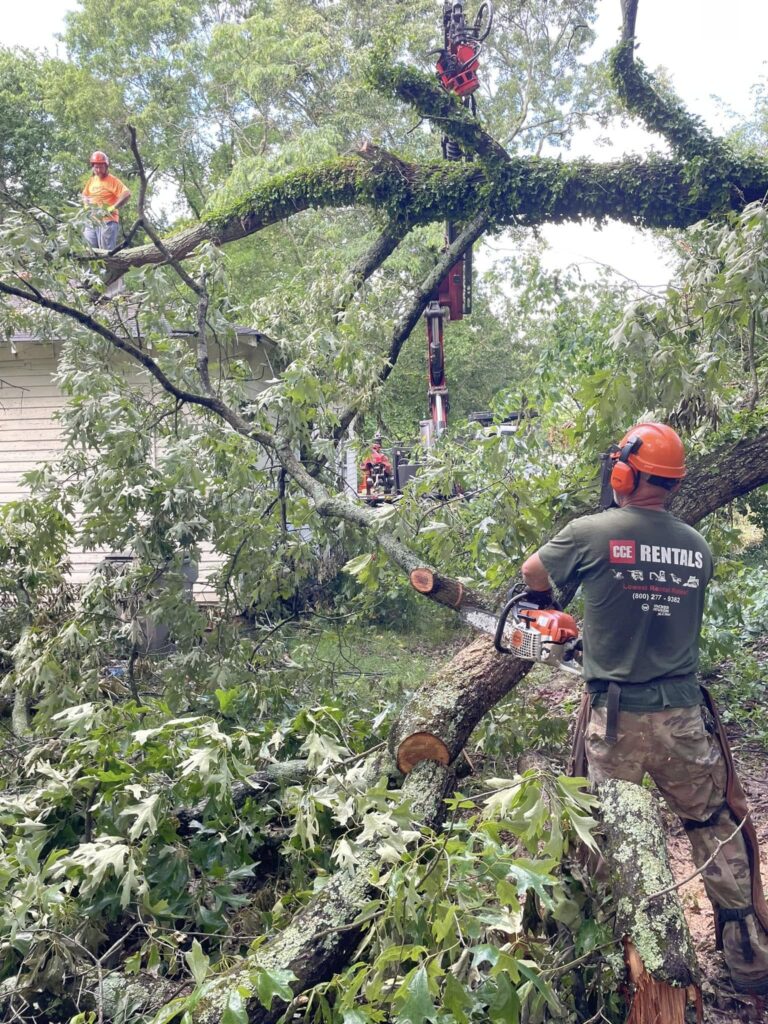
For homeowners who think ahead and prioritize long-term property value, one important question often arises: does tree trimming prevent tree removal? In many cases, the answer is yes. While not every tree can be saved, consistent and strategic trimming significantly reduces the likelihood of structural failure, disease progression, and hazardous conditions that lead to complete removal.
Trees are long-term investments. They provide shade, increase property value, enhance curb appeal, and contribute to environmental health. However, without proper tree maintenance, even strong trees can deteriorate over time. Preventive action is what separates healthy landscapes from costly emergencies.
 If you’re unsure about your trees’ current condition, consult a trusted local tree removal service to evaluate potential risks before they escalate.
Why Tree Removal Becomes Necessary in the First Place
Tree removal rarely becomes necessary without warning signs. Most removals occur because of advanced disease, internal decay, storm damage, structural instability, or root system failure. These issues typically develop gradually over years of neglected care. Minor branch dieback, fungal growth, or canopy imbalance may seem harmless at first, but when left untreated, they can compromise the entire tree.
Long-term planners understand that trees rarely “suddenly fail.” Instead, they decline progressively. Recognizing and addressing early indicators through preventive tree care dramatically lowers the chances of future removal.
Does Tree Trimming Prevent Tree Removal?
When done properly, regular trimming plays a powerful role in preserving tree health and structural integrity.
Trimming removes dead, damaged, or diseased branches before decay spreads into the trunk. It improves airflow and sunlight penetration, reducing moisture buildup that fosters fungal growth. Strategic pruning also balances canopy weight, decreasing stress on major limbs and root systems.
Storm resistance is another major factor. Overextended or heavy branches act like wind sails during severe weather. By reducing excess growth, arborist trimming minimizes breakage and uprooting risks.
In short, preventive tree care interrupts the cycle that typically leads to full removal. While it cannot reverse advanced structural damage, it often prevents trees from reaching that point.
The Financial Impact of Preventive Tree Care
From a long-term financial perspective, maintenance is almost always more affordable than emergency intervention.
Routine trimming represents a predictable, manageable investment. In contrast, emergency removal can involve heavy equipment, specialized rigging, cleanup crews, and possible property repairs. A fallen tree can damage roofing systems, vehicles, fences, and utility lines. Beyond repair costs, homeowners may face insurance complications or liability concerns.
By committing to consistent tree maintenance, property owners significantly reduce the likelihood of sudden, high-cost removal situations.
The Role of Professional Arborist Trimming
Not all trimming delivers the same results. Improper cuts can actually increase the likelihood of future removal.
Professional arborist trimming focuses on maintaining structural integrity while encouraging healthy growth. Certified experts evaluate branch unions, trunk stability, root flare condition, canopy density, and overall tree balance before making cuts. Their goal is not simply to reduce size, but to enhance strength and longevity.
Improper DIY pruning can leave trees vulnerable to disease, create weak regrowth, and disrupt natural growth patterns. Over-pruning can stress trees, reduce energy reserves, and accelerate decline.
For long-term planners, professional guidance ensures that trimming supports preservation rather than unintentionally contributing to future removal.
Signs Your Tree Needs Preventive Maintenance
Trees often display early warning signals long before removal becomes necessary. These include crossing or rubbing branches, uneven canopy growth, minor limb dieback, and branches extending too close to rooflines or power lines. Dense interior growth can also indicate poor airflow and increased disease risk.
Addressing these issues early through preventive tree care reduces structural strain and supports long-term health.
How Often Should Trees Be Trimmed?
Trimming frequency depends on tree species, age, growth rate, and environmental conditions. Younger trees typically benefit from shaping every two to three years to establish strong structure. Mature trees may require trimming every three to five years, though inspections should occur annually.
Storm-prone regions may require more frequent evaluations. Regular assessments allow homeowners to catch early structural or health concerns before they escalate.
Storm Preparedness and Preventive Strategy
In areas vulnerable to severe weather, trimming becomes even more important. Heavy branches and dense canopies increase the risk of splitting, breakage, and uprooting during storms.
Homeowners often begin searching for tree removal Rock Hill services only after significant storm damage has occurred. However, preventive trimming beforehand often reduces the likelihood of that emergency scenario. By reducing canopy weight and eliminating weak limbs, trees are better equipped to withstand strong winds.
Waiting until after severe weather typically results in higher costs and greater property damage.
When Trimming is Not Enough
Although regular trimming significantly lowers risk, there are circumstances where it cannot prevent removal. If a tree’s trunk is hollow, severely decayed, or structurally compromised, trimming will not restore stability. Similarly, advanced root damage, aggressive leaning, or widespread disease may indicate that removal is the safest option.
Preventive trimming is most effective when implemented early, before structural integrity is lost. Once core systems fail, corrective action becomes limited.
If you are evaluating tree conditions in nearby communities, you can learn more about professional tree removal in Lancaster, SC. Early consultation ensures informed and safe decision-making.
Long-Term Property Value and Tree Health
Healthy, mature trees can significantly enhance property value. They provide natural shade that lowers cooling costs, improve outdoor aesthetics, and contribute to neighborhood appeal. Buyers often view well-maintained trees as assets rather than liabilities.
Conversely, neglected trees raise red flags during property inspections. Signs of instability or disease can delay sales and create negotiation challenges.
Routine tree maintenance preserves both landscape beauty and long-term market value.
Preventive Tree Care vs Reactive Crisis Management
Preventive tree care involves scheduled inspections, routine trimming, and proactive risk management. Reactive removal occurs when problems have already escalated into hazards.
The difference is not just financial, it’s strategic. Preventive care protects trees and property simultaneously. Reactive removal often results in permanent tree loss, higher expense, and potential liability exposure.
Long-term planners consistently favor prevention because it aligns with stability and cost control.
The Biological Advantage of Regular Trimming
Trees respond positively to proper pruning. Strategic cuts redirect nutrients to stronger branches, encourage healthy growth patterns, and eliminate structural weaknesses. Improved airflow reduces fungal risk, while balanced canopies reduce strain on trunk and root systems.
However, excessive or poorly executed trimming disrupts this balance. This is why professional arborist trimming is critical. The goal is strengthening, not merely cutting.
Liability and Safety Considerations
Homeowners are responsible for maintaining safe conditions on their property. If a neglected tree damages a neighbor’s home or injures someone, liability may follow.
Preventive maintenance demonstrates responsible ownership and reduces risk exposure. Regular inspections and trimming provide documentation of proactive care.
Building a Long-Term Tree Maintenance Plan
A sustainable strategy includes annual inspections, trimming every few years based on growth patterns, post-storm evaluations, and ongoing disease monitoring. This structured approach minimizes surprise failures and protects long-term tree health.
For homeowners who plan ahead, the question does tree trimming prevent tree removal becomes clearer. While no method guarantees a tree will never require removal, consistent preventive care dramatically lowers the likelihood.
Final Thoughts: Protecting Your Trees and Your Investment
Regular trimming is not simply cosmetic landscaping, it is strategic property protection. By investing in preventive tree care and professional arborist trimming, homeowners reduce emergency risks, protect property value, and extend the life of their trees.
If you’re ready to take a proactive approach to tree health, Contact us to schedule a professional evaluation today.