Quick Summary
Storm damage can create dangerous situations around your home, especially when trees fall or become unstable. Knowing what to do immediately after a storm can prevent injuries, property damage, and costly mistakes. This guide explains how storm support emergency tree removal works, when to call an emergency tree service, and how professional storm damage cleanup restores safety. It also helps you understand when a tree removal service is urgently needed and what steps to take before help arrives. At Ryan’s Tree Service, we specialize in fast and reliable response for storm-related tree hazards, ensuring homeowners get safe and professional support when it matters most.
The next step is to assess the situation from a safe distance. Look for visible hazards such as cracked trunks, hanging branches, or trees pressing against roofs, garages, or fences. It is important not to attempt any cutting or movement on your own, as storm-damaged trees are under extreme tension and can fall unexpectedly.
This is where storm support emergency tree removal becomes essential. Professional teams are trained to handle unstable trees safely using specialized equipment. An emergency tree service can quickly evaluate the risk, secure the area, and begin controlled removal to prevent further damage.
If your property has suffered damage, contacting a reliable tree removal service immediately is the safest action. Many homeowners delay calling for help, assuming the damage is manageable, but storm conditions often create hidden risks that worsen over time.
Why Emergency Tree Service Matters After a Storm
After a storm, time is critical. A weakened tree can fall hours or even days later, especially with continued wind or rain. Emergency tree service professionals respond quickly to stabilize dangerous situations. Their goal is not only to remove fallen trees but also to prevent additional damage.
Storm damage cleanup is another important part of the process. Once hazardous trees are removed, debris, broken limbs, and scattered wood must be cleared to restore safe access to the property. This cleanup helps prevent accidents and prepares the area for repairs.
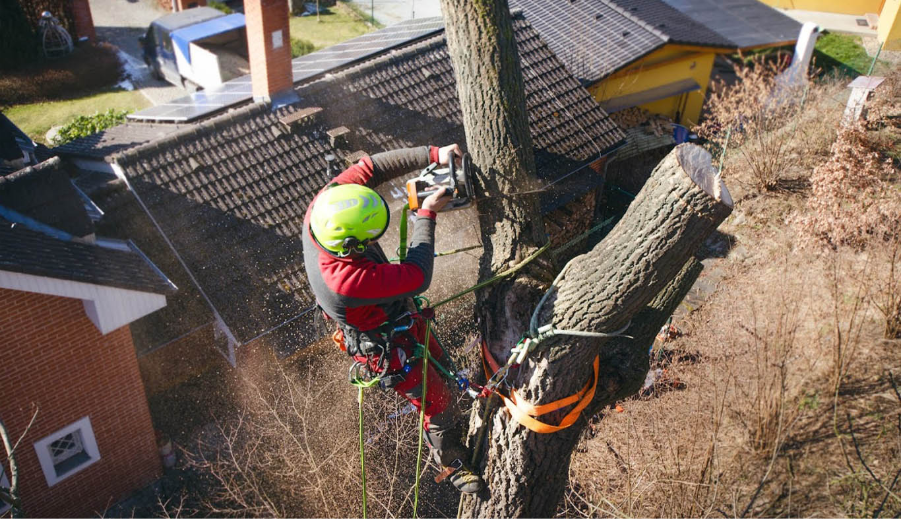
Homeowners often underestimate how complex emergency tree removal can be. It involves evaluating root stability, checking for electrical hazards, and using cranes or rigging systems in tight spaces. A professional tree removal service ensures that every step is handled with precision.
What Homeowners Should Do Immediately
The first action is always to ensure everyone is safe and away from damaged trees. If a tree has fallen on a structure, avoid entering the building until it has been inspected. Even partial damage can weaken structural integrity.
Next, document the damage if it is safe to do so. Photos can help with insurance claims and provide useful information to the emergency tree service team. However, do not get close to unstable trees for documentation.
Then contact a trusted provider for storm support emergency tree removal. Fast response teams can prioritize urgent cases and dispatch crews quickly. This is especially important if a tree is blocking access to your home or posing a risk to power lines.
At this stage, it is also helpful to inform your insurance provider. Many policies cover storm damage cleanup and emergency tree removal, depending on the situation.
If you are currently dealing with storm damage, reach out now for professional help. Our emergency response team is available to assess risks, provide immediate guidance, and begin safe removal procedures before the situation worsens.
The Role of Professional Tree Removal Service
A professional tree removal service brings both expertise and equipment that homeowners do not have access to. Storm-damaged trees are unpredictable and often require careful dismantling rather than simple cutting.
Experts use controlled techniques to remove branches section by section, especially when trees are leaning on buildings or power lines. This minimizes additional damage and ensures safety throughout the process. In addition, professionals are trained to identify hidden risks such as root instability or internal trunk fractures.
Storm damage cleanup is completed after the removal process, ensuring the property is left safe and accessible. Without proper cleanup, debris can block drainage systems or create hazards for residents and visitors.
Conclusion
Storm damage can escalate quickly if not handled properly, especially when trees become unstable or fall on structures. Acting fast by contacting a reliable emergency tree service ensures safety and reduces further risks. Professional storm damage cleanup and emergency tree removal are essential steps in restoring normal conditions after severe weather.
If you are currently dealing with fallen trees or hazardous conditions, do not delay assistance. Contact us today for immediate storm support emergency tree removal and professional tree removal service. Our team is ready to respond quickly, assess the situation, and help restore safety to your property.
FAQs on Storm Support Emergency Tree Removal
1. What should I do first after storm damage to trees?
The first step is to ensure everyone stays away from damaged trees and affected areas. Even if a tree looks stable, it may be structurally weak. After ensuring safety, contact a professional emergency tree service for inspection and assistance.
2. When is emergency tree removal necessary?
Emergency tree removal is needed when a tree has fallen on a structure, is blocking access, or is at risk of falling due to storm damage. It is also required when trees are leaning dangerously or have exposed roots.
3. Can I remove a fallen tree myself after a storm?
It is not recommended. Storm-damaged trees are under tension and can shift unexpectedly. A professional tree removal service has the tools and training to safely handle the situation.
4. How fast does an emergency tree service respond?
Response times depend on the severity of the storm and demand, but emergency teams prioritize high-risk situations. Many services aim to reach critical sites as quickly as possible to prevent further damage.
5. Does insurance cover storm damage cleanup?
In many cases, homeowners insurance covers storm damage cleanup and emergency tree removal. However, coverage varies, so it is important to check your policy and document all damage.
6. What happens during storm damage cleanup?
Storm damage cleanup includes removing fallen branches, clearing debris, and ensuring the property is safe. It may also involve grinding stumps or clearing blocked pathways depending on the situation.
7. How do I know if a tree is dangerous after a storm?
Signs include leaning trunks, cracked bark, hanging branches, or exposed roots. If you notice any of these, contact a tree removal service immediately for inspection.
8. Can a tree still fall after the storm is over?
Yes, weakened trees can fall hours or even days later due to internal damage. This is why emergency tree service is important even after the storm has passed.
9. What equipment is used for emergency tree removal?
Professionals use chainsaws, cranes, rigging systems, and safety gear. The equipment depends on the size and location of the tree and the level of risk involved.
10. Is storm damage cleanup included in tree removal services?
Most professional services include cleanup as part of the process. This ensures that all debris is removed and the area is restored to a safe condition.
11. How much does emergency tree removal cost?
Costs vary based on tree size, damage severity, and location. Emergency situations may have higher rates due to urgency and risk factors.
12. Can emergency tree service prevent future damage?
Yes, professionals can assess nearby trees for risks and recommend preventive trimming or removal to reduce future storm damage risks.
13. Who should I contact for urgent tree damage?
You should contact a licensed and experienced tree removal service that offers emergency response. Quick action helps prevent further property damage and ensures safety.